
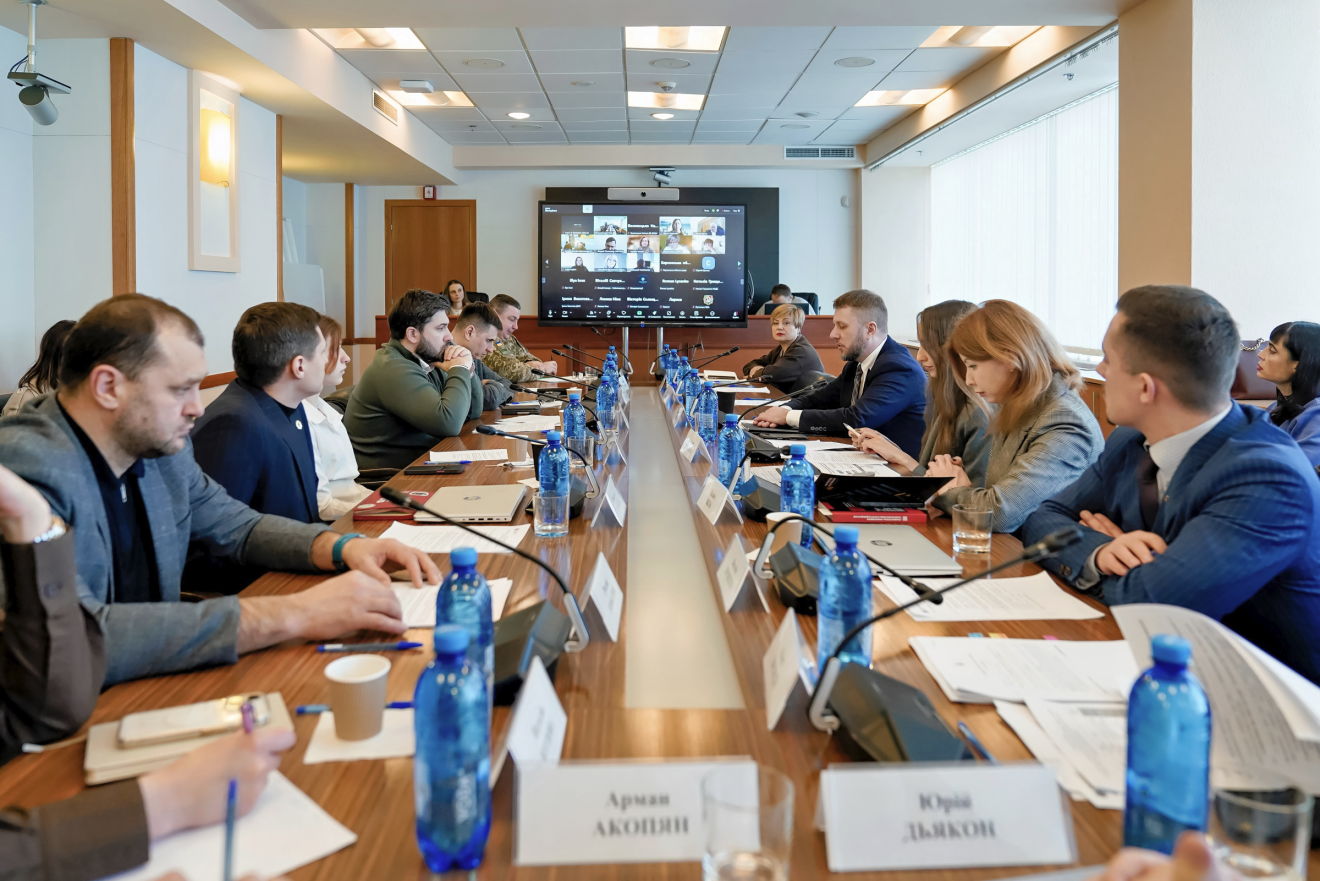
Under the chairmanship of Oleksiy Ryabikin, Deputy Minister of Community and Territorial Development of Ukraine, a discussion was held on a draft regulatory act defining the priorities of state policy regarding the territories of Ukraine temporarily occupied by the Russian Federation.
The purpose of the document is to define clear priorities for a consistent, long-term, and comprehensive state policy regarding the temporarily occupied territories.
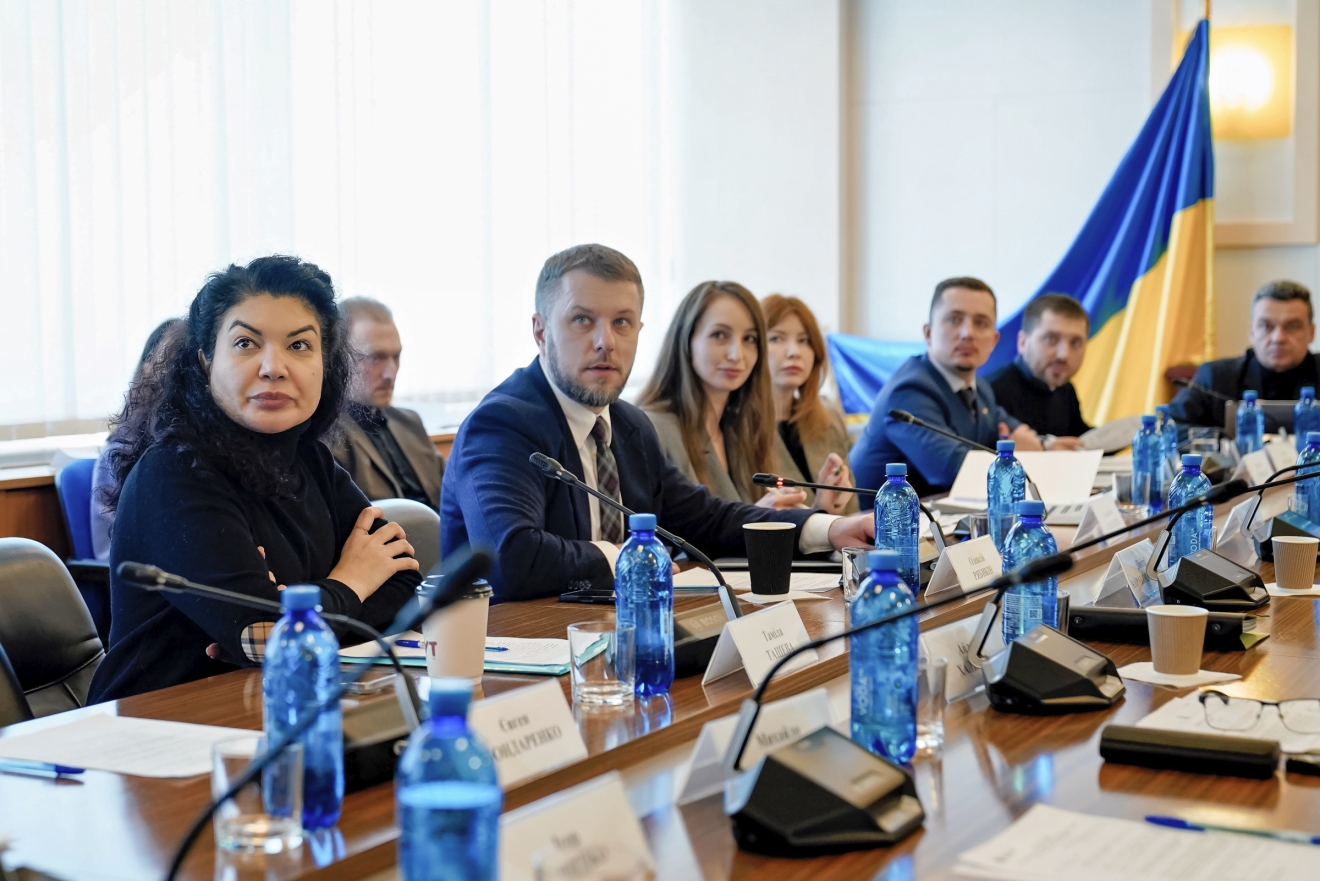
The event was attended by Tamila Tasheva, Member of Parliament and Chair of the Subcommittee on the Restoration of State Power and Local Self-Government in the Temporarily Occupied Territories of Ukraine, in the Autonomous Republic of Crimea and the city of Sevastopol, representatives of central executive bodies, law enforcement agencies, regional military administrations, as well as public and human rights organizations that provided expert support in the preparation of the document.

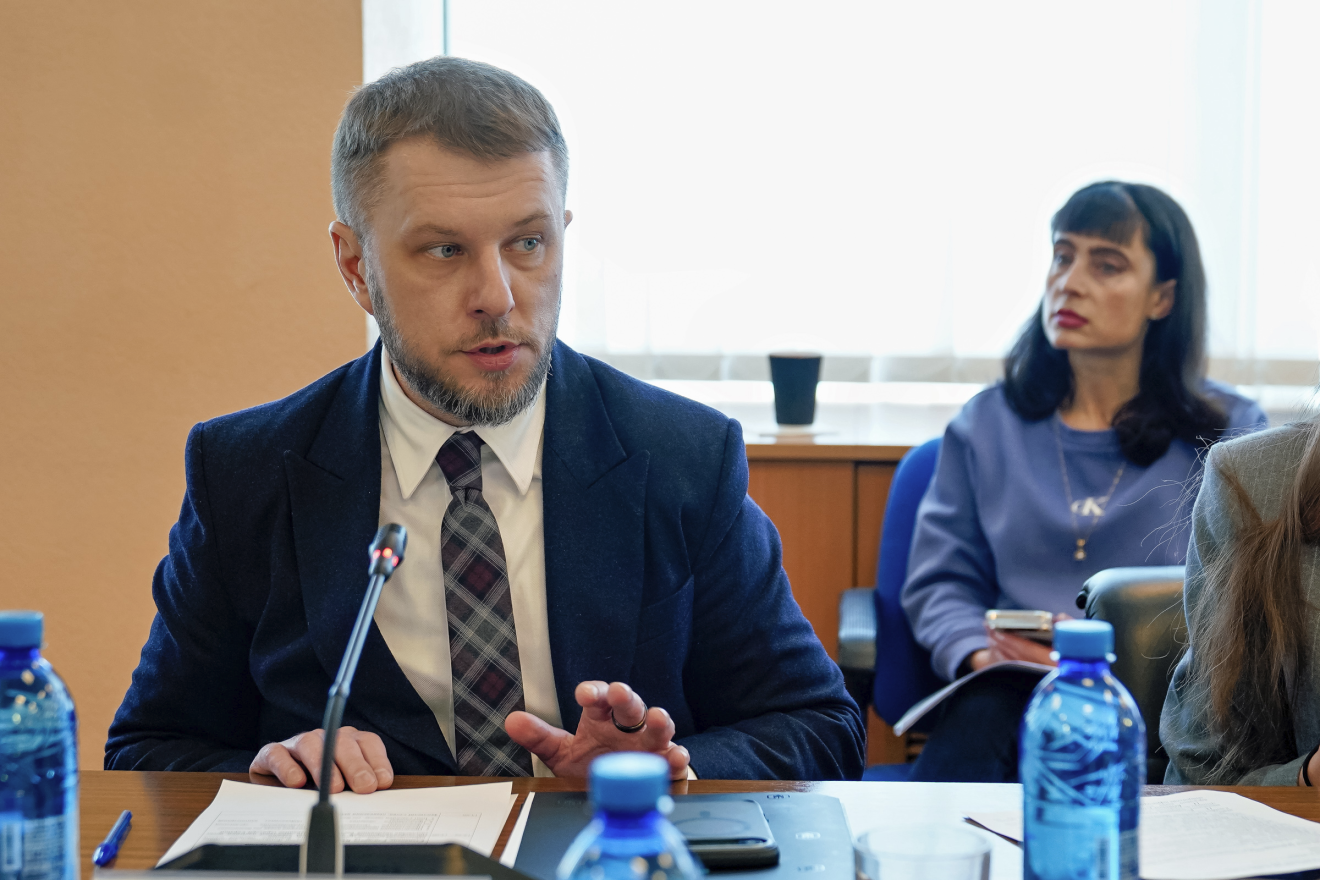
“This work was made possible thanks to the strong support of our partners at PFRU, members of parliament, representatives of state authorities, local self-government bodies, military administrations, the military, volunteers, experts, and civil society. Ukraine will never give up its temporarily occupied territories. Our people live in these territories, and the state continues to work to support them and ensure the future return of these territories,” emphasized Oleksiy Ryabikin.
The document takes into account the humanitarian, demographic, legal, administrative, economic, social, and other challenges caused by the occupation and provides for mechanisms of state response in priority areas:
supporting Ukraine’s territorial integrity and international legal non-recognition of attempts at annexation, implementation of transitional justice;
creating the conditions for the restoration of state administration, local self-government, law and order, and readiness to work in the de-occupied territory;
ensuring the rights of citizens who have moved from the temporarily occupied territories, with particular attention to children and young people;
supporting Ukrainian citizens living in the temporarily occupied territories and implementing cognitive de-occupation;
strengthening Ukraine’s information presence and forming a national memory policy;
strengthening social cohesion and local identity, and developing a policy on the TOT in the context of European integration.
The developed regulatory act will form the basis for further steps by the state towards the de-occupation and reintegration of the temporarily occupied territories.