

On December 1, during a briefing on the status of the evacuation of the population from frontline settlements, Deputy Minister of Community and Territorial Development of Ukraine Oleksiy Ryabykin reported that the 15-48 crisis hotline continues to operate around the clock to coordinate the evacuation of the population from dangerous and frontline regions.
He emphasized that one of the key tasks of the Ministry is to ensure operational communication with citizens who need assistance, consultations, or urgent departure to safer regions.
The 15-48 hotline provides information on evacuation, a list of territories where hostilities are or have been conducted, conditions for temporary residence, obtaining IDP status and assistance, and also records appeals regarding violations of citizens’ rights.
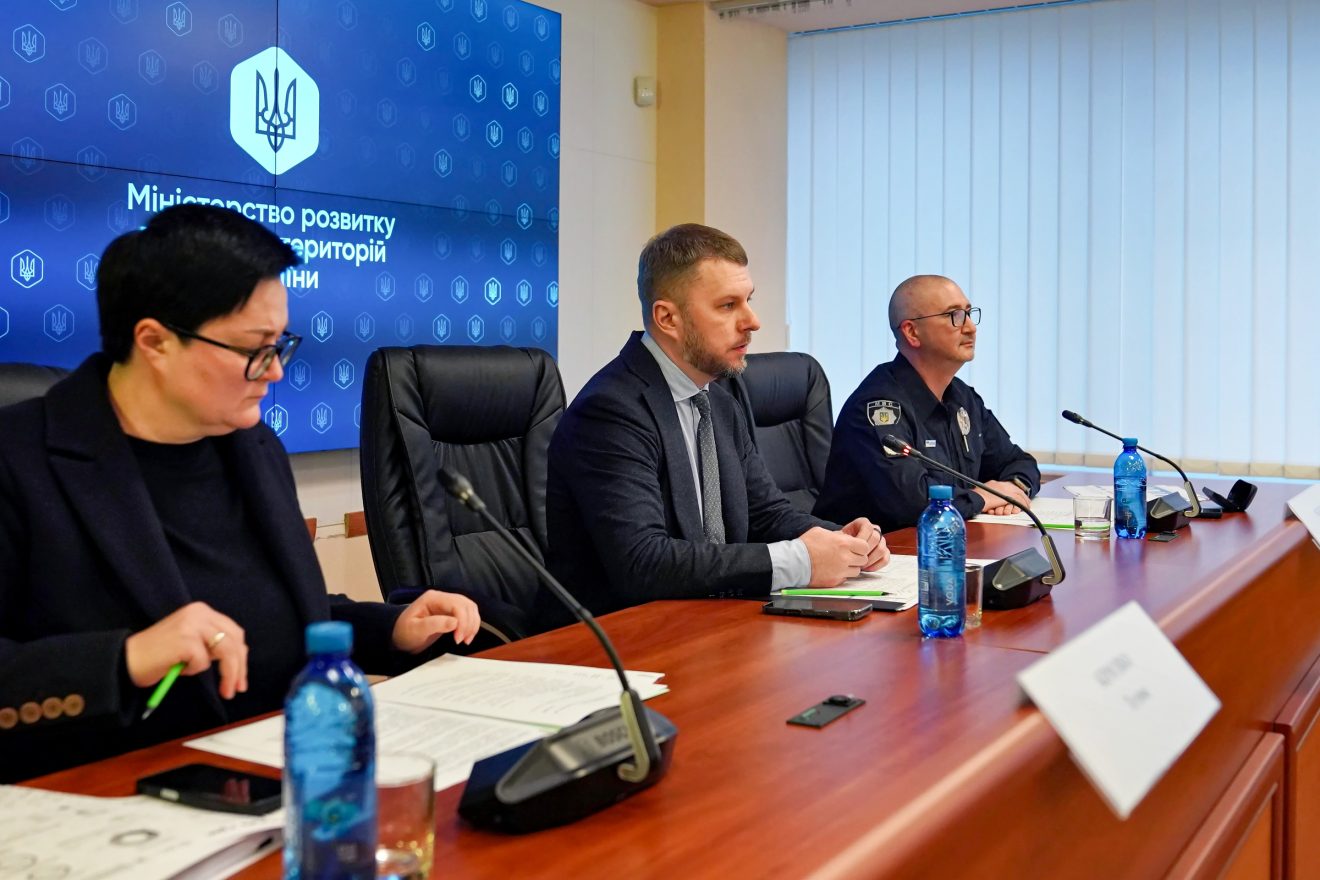
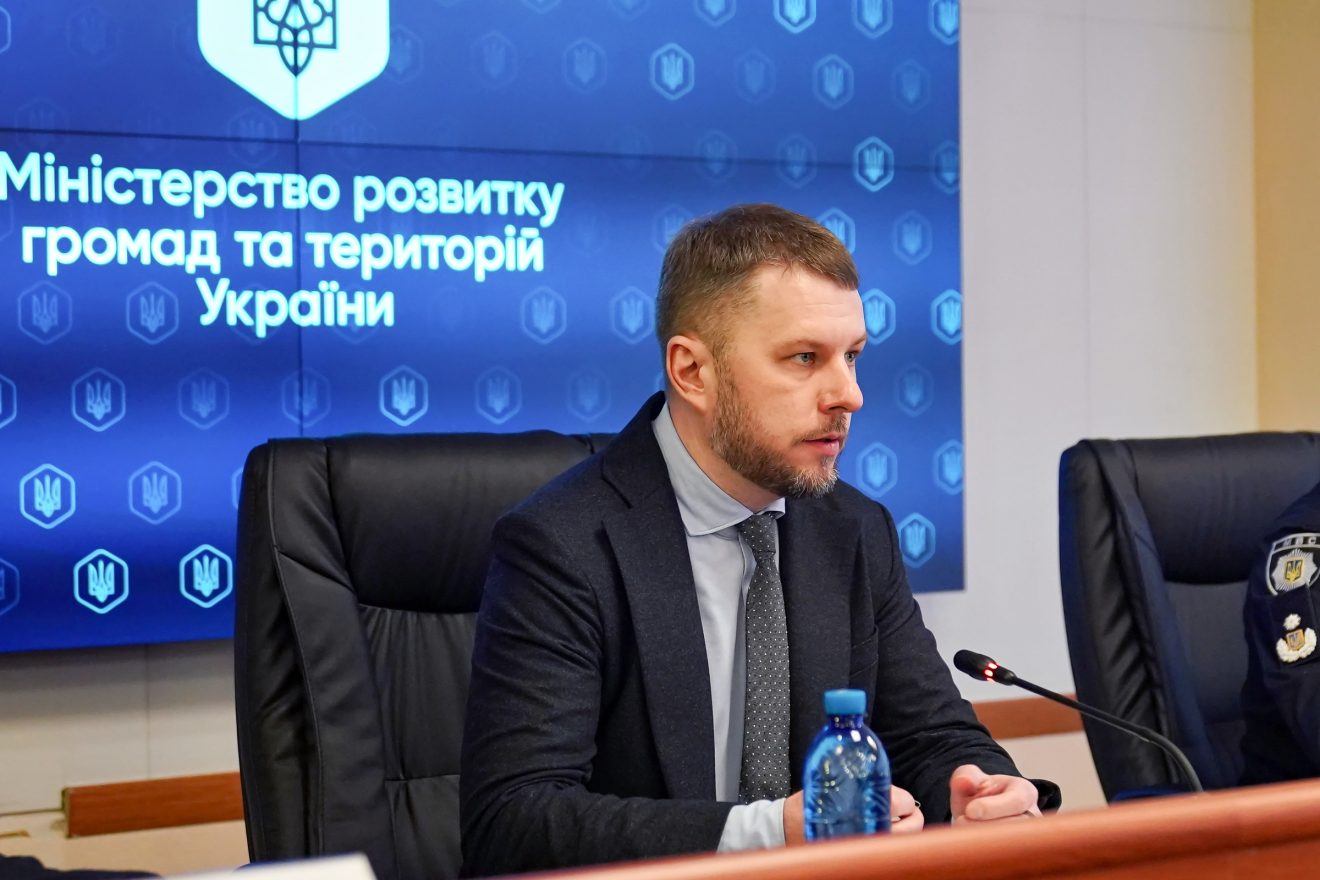
“This is a universal number where everyone can turn for help, advice on how to act in a particular crisis situation. Qualified specialists work on this hotline around the clock, 24/7. All requests are summarized, and their implementation is constantly monitored. And this is really very important,” said Oleksiy Ryabykin.
The briefing was also attended by Deputy Minister of Internal Affairs of Ukraine Oleksiy Sergeev, Deputy Minister of Social Policy, Family and Unity Tetyana Kiriyenko.
From June 1 to November 21, 2025, more than 133 thousand people were evacuated from frontline territories to safer regions, including more than 16.5 thousand children and more than 4.6 thousand people with limited mobility. More than 89.4 thousand people were evacuated from Donetsk region, more than 26.8 thousand people from Dnipropetrovsk region, more than 4.3 thousand people from Sumy region, more than 3.6 thousand people from Kherson region, more than 6.6 thousand people from Kharkiv region, and more than 2.3 thousand people from Zaporizhia region.
There are currently 21 transit centers operating, the busiest of which are located in Pavlohrad and Voloskeme in Dnipropetrovsk region, as well as in the city of Lozova in Kharkiv region. A new transit center has also recently been opened in Zaporizhia.
“If necessary, we are ready to deploy additional transit centers if the evacuation process intensifies. We monitor the situation and its dynamics daily and do not see such a need yet. The main points continue to operate, and new sites will be determined in accordance with the situation in the regions and logistical capabilities,” said Oleksiy Ryabykin.
In transit centers, people receive comprehensive assistance: humanitarian, medical, psychological, legal and social. They are helped to restore documents, apply for payments and social services, as well as receive financial support from the state and humanitarian organizations.
The Ministry of Social Policy, Family and Unity coordinates the formation of policies and standards for the work of temporary accommodation for internally displaced persons. The total number of beds for temporary accommodation of internally displaced persons reaches more than 80.5 thousand, of which more than 7.6 thousand remain free for settlement. Of the more than 3.5 thousand places for people with limited mobility, 73 are free.
For their part, regional military administrations are deploying additional beds for the evacuated population. As of December 1, more than 15,400 new beds have been deployed, including about 400 for people with reduced mobility.
The evacuation of the population is the result of the coordinated work of the State Emergency Service, the National Police, local communities, volunteers and international partners. Special evacuation groups are carrying out the evacuation of citizens from dangerous areas: “Phoenix” (State Emergency Service) and “White Angel” (National Police).
The key priority remains the creation of an expansion of the number of new temporary residence points in safe regions of the country and the organization of appropriate living conditions for the most vulnerable categories of the population.