

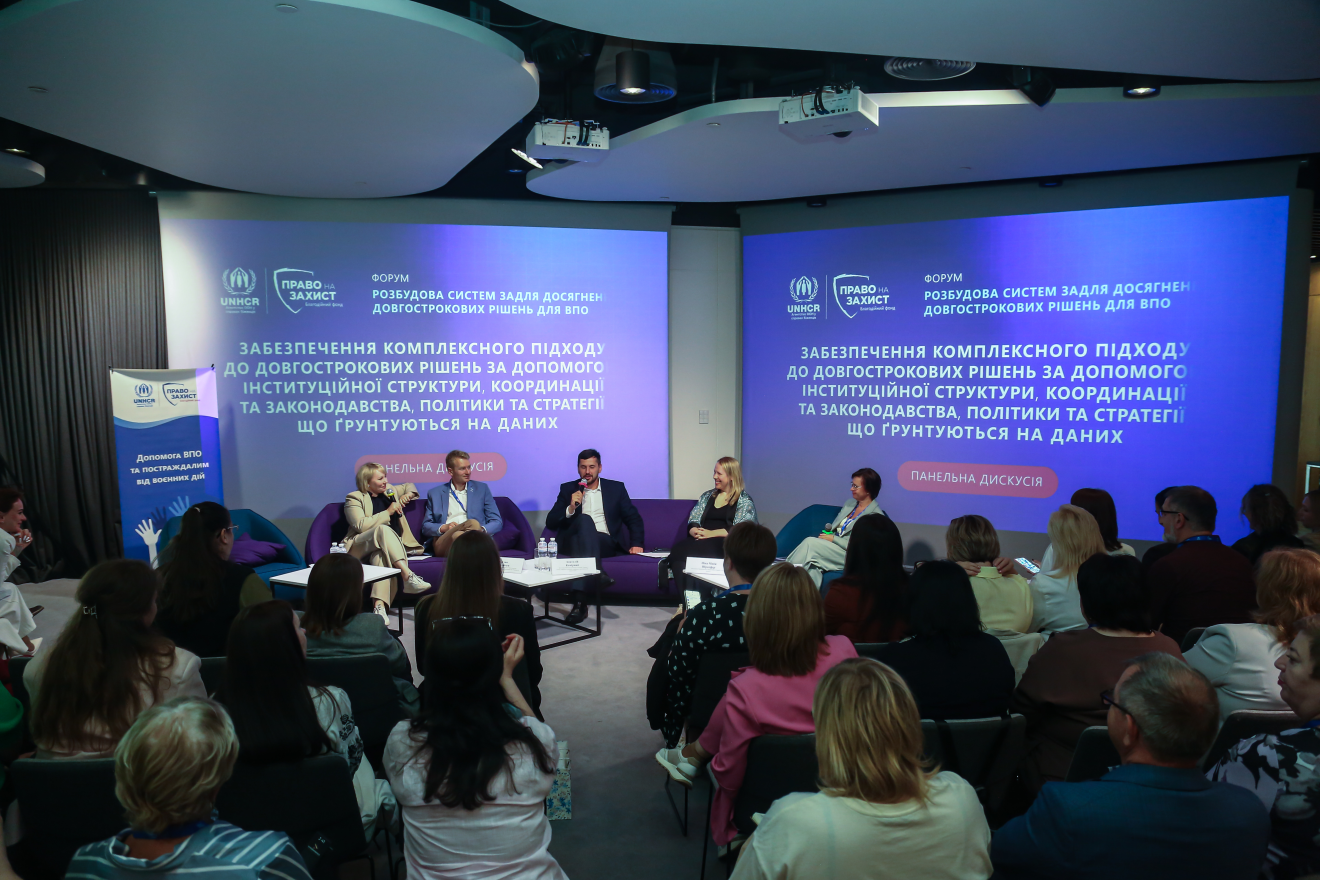
Natalia Kozlovska, Deputy Minister of Community and Territorial Development of Ukraine, participated in the forum “Building Systems to Achieve Long-Term Solutions for IDPs,” where key areas of support for internally displaced persons were discussed.
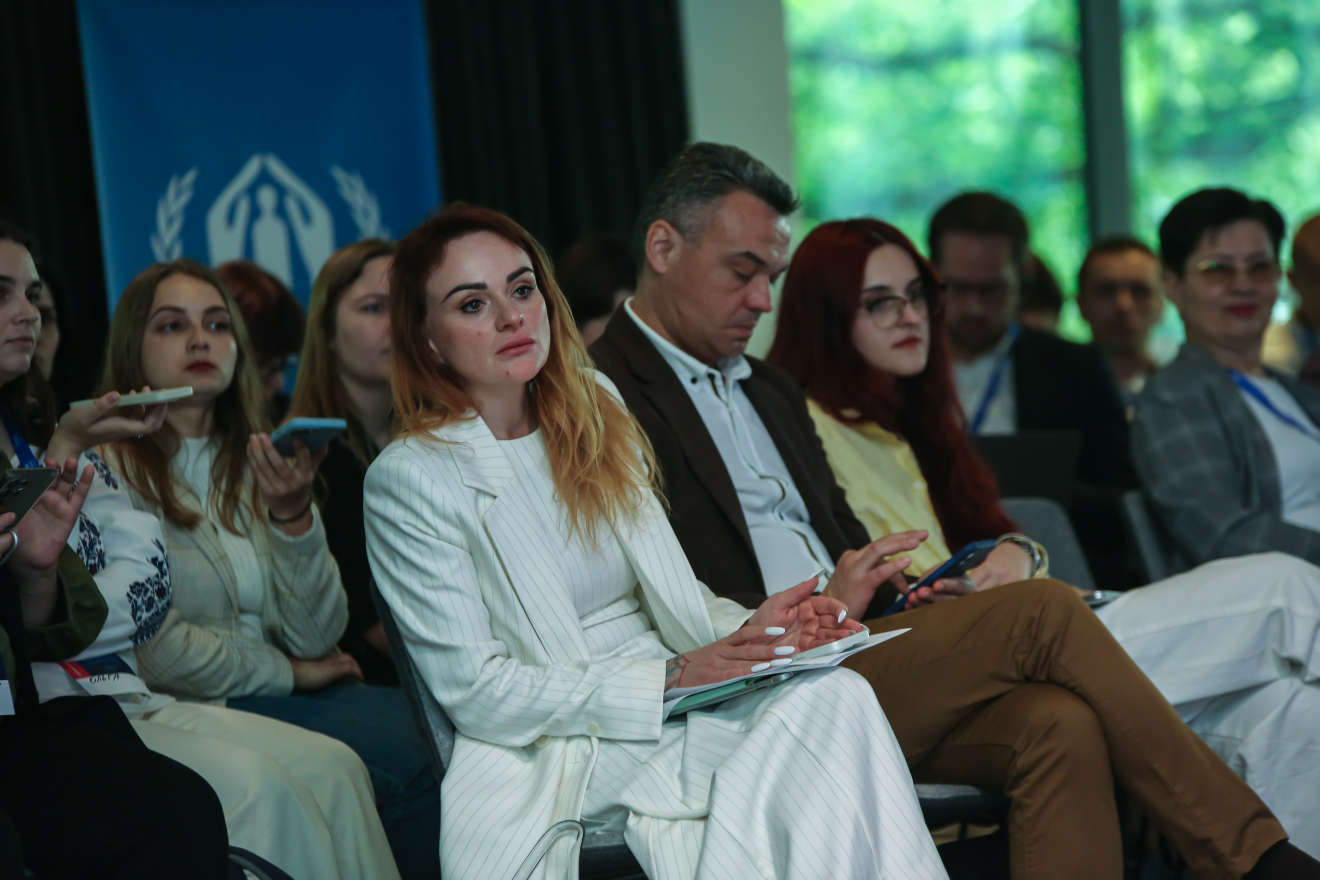
During the event, representatives of the government, parliament, local authorities, international organizations, and civil society discussed the development of long-term solutions for internally displaced persons, particularly in the areas of housing, social protection, employment, and more.
Natalia Kozlovska emphasized that addressing the housing issue for internally displaced persons requires not a single universal solution, but a whole set of tools that take into account people’s various life circumstances, levels of economic activity, and income.
“We need to develop a set of housing tools that will allow each person to find a solution tailored to their own situation. If an internally displaced person has an income and is ready to take out a mortgage, they should have quality access to such programs. At the same time, other support mechanisms must also be in place—rental housing, social housing, and other tools that will allow people to resolve their housing issues,” the Deputy Minister noted.
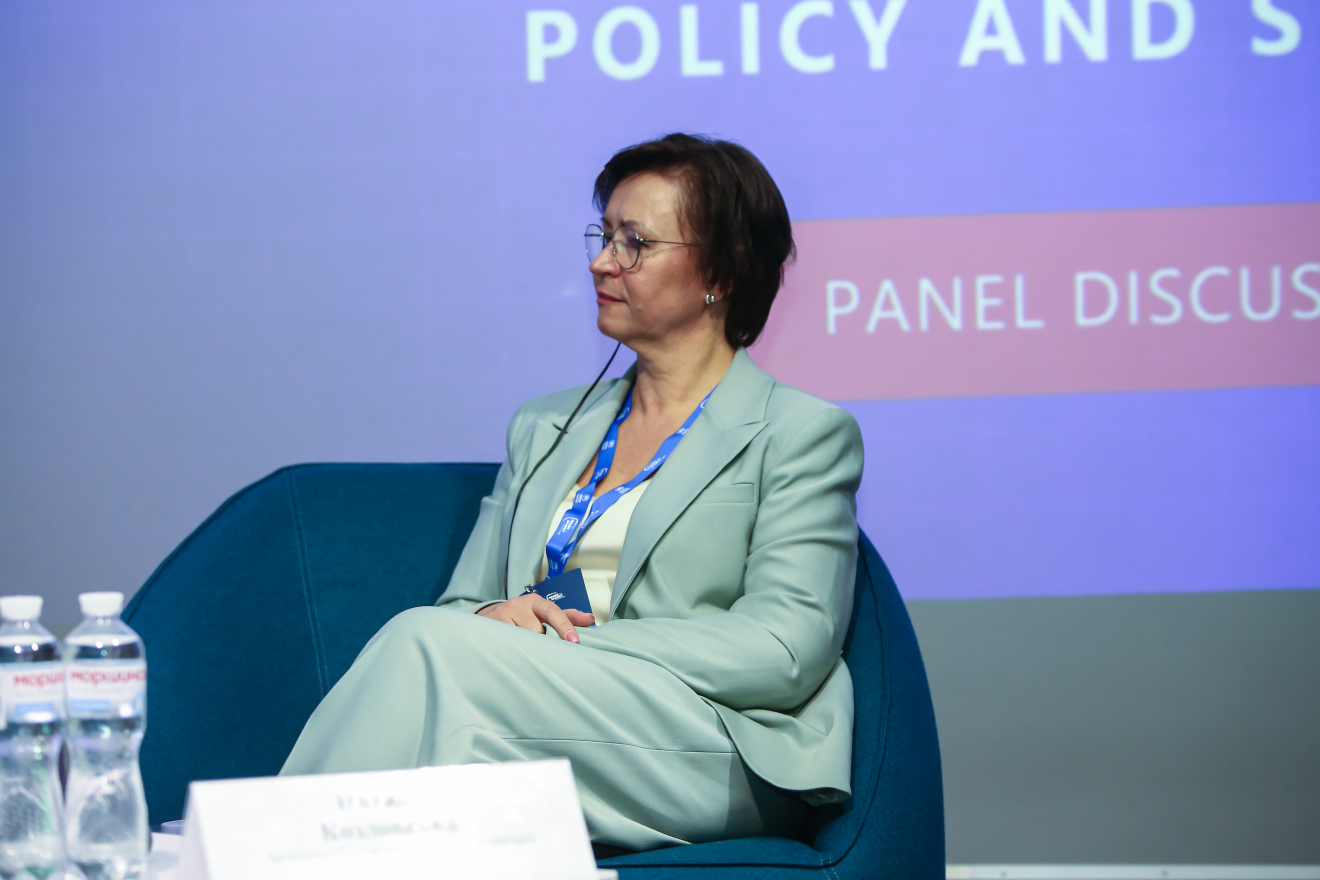
Another key priority remains the improvement of existing housing programs, particularly mortgage mechanisms, to make them more accessible to internally displaced persons.
“The ‘eOselya’ program is one of the established housing solutions. This tool should continue to operate, but it needs to be improved. We need to examine exactly what needs to be changed so that internally displaced persons seeking to purchase their own homes have real access to this opportunity,” the Deputy Minister emphasized.
About 40% of internally displaced persons currently rent housing, so the state must review its approaches to supporting such families.
“If renting plays such a significant role among the ways to address the housing issue, we as a state need to review the rental assistance program. We see that the current mechanism is not working as we would like,” noted Nataliia Kozlovska.
According to her, while preparing proposals to update the support mechanism, Ukraine is studying the experience of the UNHCR.
“We believe that this experience can serve as a basis for improving the housing rental support mechanism and developing a more effective system of assistance for IDPs,” the deputy minister emphasized.
Forum participants paid particular attention to the development of a social rental housing system in Ukraine. Natalia Kozlovska emphasized that this tool is one of the key elements for a long-term solution to the housing needs of IDPs and other categories of citizens.
“Social housing is one of the key areas, and it is needed not only by internally displaced persons but also by local governments. We are already working with international partners to implement such a tool and are studying both positive and negative European experiences to create an effective and transparent system in Ukraine,” noted Natalia Kozlovska.
The discussion also focused on how the state is working to launch pilot social housing projects in collaboration with international financial institutions.
“We understand that domestic resources will not be sufficient to establish the necessary social housing fund. Therefore, it is important to create a transparent and understandable mechanism that will operate with the support of international partners and the private sector and will be financially sustainable for communities,” emphasized the Deputy Minister.
She also highlighted the scale of housing support needs among citizens who left their property in the temporarily occupied territories.
“According to calculations based on data from the State Statistics Service and the Ministry of Justice, compensating all citizens who left their homes in the temporarily occupied territories would require resources equivalent to two annual national budgets. That is why the state is implementing support mechanisms in stages and prioritizing different categories of aid recipients,” noted Nataliia Kozlovska.
Forum participants also discussed the effectiveness of existing coordination mechanisms, challenges in implementing state policy at the national, regional, and local levels, as well as practical tools for implementing IDP support strategies. A separate session of discussions was devoted to the integration and reintegration of internally displaced persons, local programming, and budgeting for relevant measures.
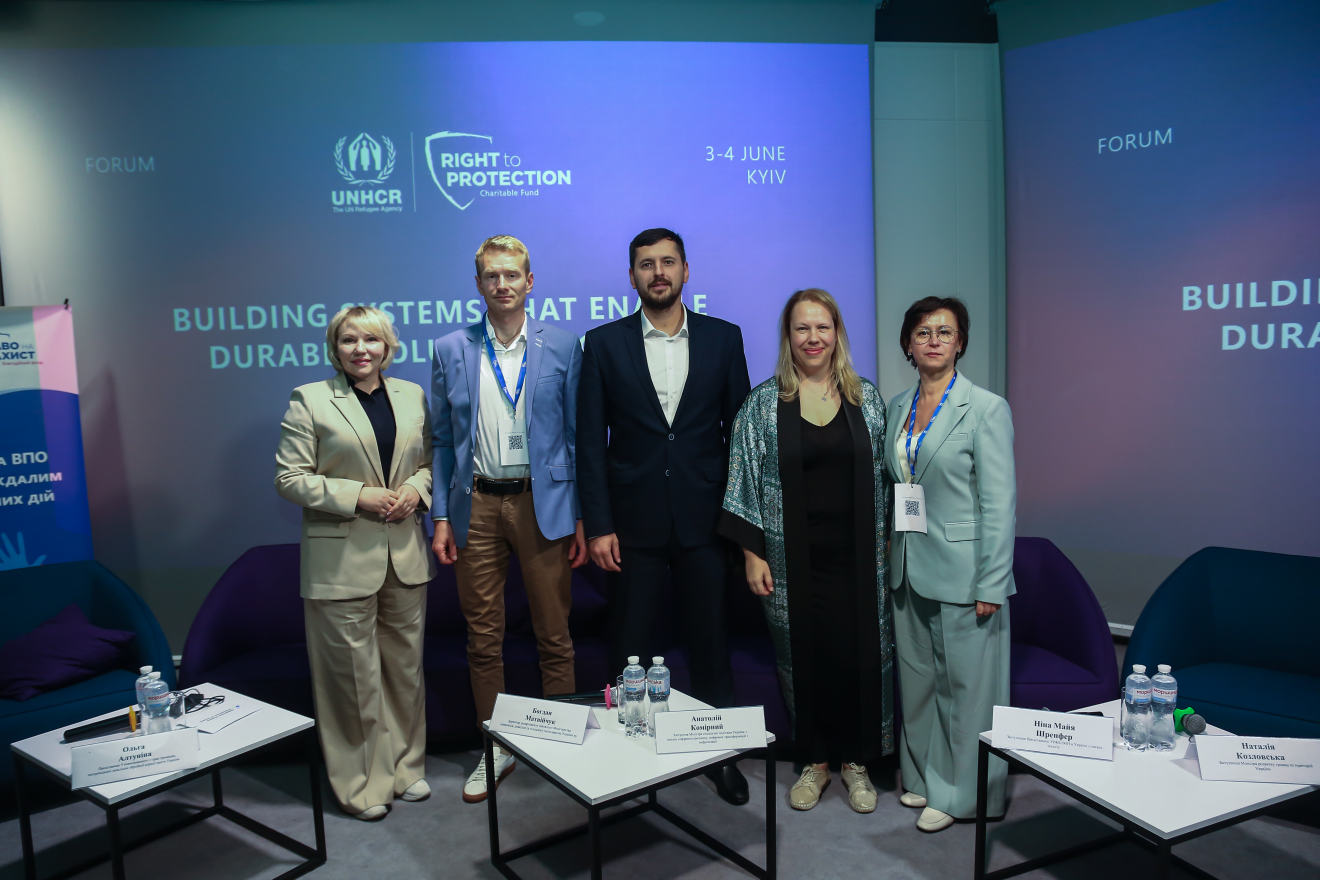
The forum was organized by the “Right to Protection” Charitable Foundation with the support of the United Nations High Commissioner for Refugees (UNHCR).
Follow the Ministry of Community and Territorial Development on social media: Facebook, Twitter, Telegram, Instagram, Threads and WhatsApp